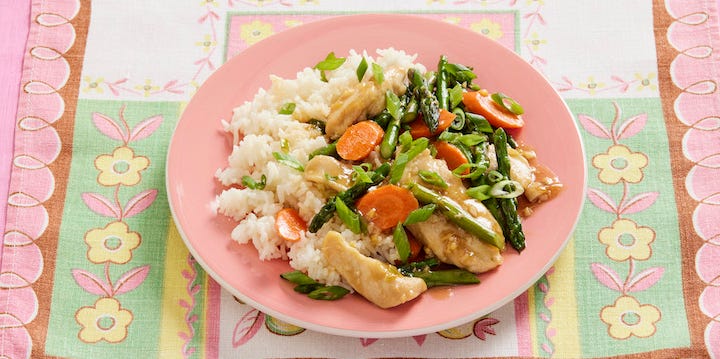
Springtime Chicken Asparagus Stir Fry: Your Ultimate Prep & Cooking Guide
As the days grow longer and the fresh scent of spring fills the air, our culinary senses awaken to the season's vibrant produce. Among the most anticipated arrivals is tender, green asparagus, signaling the perfect time to whip up a dish that’s as fresh as it is flavorful. Enter the chicken and asparagus stir fry – a quintessential springtime meal that’s light, healthy, and incredibly quick to prepare. This comprehensive guide will walk you through every step, from selecting the finest ingredients to mastering the stir-fry technique, ensuring a delectable dish that can be on your table in under 30 minutes.
More than just a recipe, this article delves into the art of creating a perfectly balanced stir fry. We’ll explore the nuances of preparing each component, crafting a savory sauce that ties everything together, and offering versatile serving suggestions to elevate your dining experience. Whether you’re a seasoned stir-fry enthusiast or new to the wok, get ready to embrace the ease and deliciousness of this essential spring dish.
Mastering Your Ingredients: Prepping for Perfection
The secret to any successful stir fry lies in the preparation. "Mise en place," a French culinary term meaning "everything in its place," is paramount here. Having all your ingredients prepped and ready before the heat hits the pan ensures a smooth cooking process and prevents anything from burning while you’re scrambling for the next item.
Choosing and Preparing Your Chicken
- Selection: Boneless, skinless chicken breasts are the traditional choice for their lean profile and quick cooking time. For a slightly richer flavor and more tender texture, boneless, skinless chicken thighs are an excellent alternative.
- Cutting: Cut the chicken into uniform 1-inch pieces. Consistency is key here; irregularly sized pieces will cook unevenly, leading to some pieces being overcooked and dry, while others are undercooked.
- Velvetization (Optional but Recommended): For incredibly tender chicken, consider a quick marinade. A common stir-fry technique, often called "velvetizing," involves tossing the sliced chicken with a tablespoon of cornstarch and a teaspoon or two of dry sherry or rice wine. This creates a protective coating that locks in moisture and tenderizes the meat, resulting in that silky texture found in restaurant stir fries.
The Asparagus Advantage: Trimming and Cutting
Asparagus truly shines in the spring when it's inexpensive and abundant. Its distinct flavor and satisfying crunch make it an ideal vegetable for stir fries.
- Trimming: The woody ends of asparagus stalks are tough and unpleasant to eat. The easiest and most reliable way to trim them is to gently bend each stalk until the natural breaking point snaps off the woody end. Discard these ends.
- Cutting: Once trimmed, cut the remaining tender stalks into 2-inch pieces. This size integrates well with the chicken and ensures even cooking. For aesthetic appeal, you can also slice any thicker stalks lengthwise before cutting into pieces.
Essential Aromatics & Other Veggies
These foundational ingredients build the aromatic base of your stir fry:
- Garlic and Ginger: Finely mince 3 cloves of fresh garlic and 1 tablespoon of fresh ginger. Their pungent and fragrant notes are crucial for an authentic stir-fry flavor.
- Scallions: Slice 2 scallions, separating the white and green parts. The white parts are typically added earlier for a more robust flavor, while the green parts are often reserved for a fresh garnish at the end.
- Carrots: If adding, slice 2 carrots ¼ inch thick or julienne them for quicker cooking and a delightful pop of color and sweetness.
The Art of the Stir Fry: Cooking Techniques for Success
Stir-frying is a fast-paced cooking method that requires high heat and constant movement. Following these techniques will ensure your chicken and asparagus stir fry achieves that desired texture and flavor.
Searing the Chicken to Golden Perfection
A crucial step for a flavorful stir fry is getting a good sear on your chicken.
- High Heat & Oil: Heat 1-2 tablespoons of vegetable oil (or another neutral, high-smoke point oil like canola or grapeseed) in a large skillet or wok over high heat until shimmering.
- Do Not Overcrowd: This is arguably the most important rule of stir-frying chicken. Add the chicken pieces in a single layer, ensuring there’s a little space between each piece. If you overcrowd the pan, the temperature will drop, and the chicken will steam rather than sear, resulting in a pale, rubbery texture instead of that coveted golden-brown crust.
- Work in Batches: If you’re cooking a larger amount of chicken (more than 1/2 pound), work in two or more batches. Cook each batch until beautifully golden brown on all sides, then remove it from the pan and set aside. This ensures optimal searing for every piece.
Integrating Vegetables for Optimal Texture
Once the chicken is seared and set aside, it’s time to add the vegetables.
- Add Aromatics: If needed, add a touch more oil to the pan. Add the minced ginger and the white parts of the scallions. Stir-fry for about 30 seconds until fragrant, being careful not to burn the garlic.
- Introduce Vegetables: Add the asparagus pieces and sliced carrots (if using). Stir-fry for 3-5 minutes, or until the asparagus is tender-crisp – vibrant green with a slight bite, but not mushy. The goal is to cook them just enough to retain their freshness and crunch.
Crafting the Perfect Stir Fry Sauce & Flavor Profile
The sauce is the soul of any stir fry, coating every ingredient with a harmonious blend of sweet, savory, and umami flavors. Preparing it in advance is key to a smooth cooking process.
A classic stir-fry sauce for chicken and asparagus often combines these ingredients:
- Low-Sodium Chicken Broth (1/2 cup): Forms the liquid base.
- Oyster Sauce (2 Tbsp): Provides a rich, savory umami depth. For a vegetarian option, mushroom-based stir-fry sauce can be substituted.
- Dry Sherry (2 tsp): Adds a subtle nutty and complex flavor. Mirin (sweet rice wine) is a good alternative.
- Cornstarch (1 1/2 tsp): Acts as a thickening agent, giving the sauce its glossy, clingy texture.
- Low-Sodium Soy Sauce (1 tsp): Contributes saltiness and depth.
- Toasted Sesame Oil (1 tsp): Offers a distinctive nutty aroma; often added at the very end to preserve its delicate flavor.
- Sugar (1/2 tsp): Balances the savory elements and adds a touch of sweetness.
Whisk all sauce ingredients together in a small bowl until the cornstarch is fully dissolved. Once the vegetables are cooked, return the seared chicken to the pan. Give the sauce another quick whisk and pour it over the chicken and vegetables. Simmer, stirring constantly, for 1-2 minutes until the sauce thickens and coats everything beautifully. A final drizzle of toasted sesame oil right before serving enhances the aroma significantly.
Serving Your Stir Fry & Exploring Versatile Variations
Your delicious chicken and asparagus stir fry is now ready to be enjoyed! While it’s fantastic on its own, it truly shines when paired with the right accompaniments.
Classic Pairings
The most popular way to serve stir fry is over a bed of warm, fluffy steamed white rice. A pro tip is to start your rice cooker or pot of rice at the same time you begin prepping your stir fry; this way, everything finishes cooking simultaneously for a perfectly timed meal. However, the options don't stop there. For a wholesome twist, consider serving it with quinoa or cauliflower rice. Alternatively, Asian noodles like ramen, soba, or chow mein noodles make an excellent, hearty base. For more ideas on pairing this delicious stir fry, check out our guide on Easy Chicken Asparagus Stir Fry: Versatile Sides & Swaps.
Swapping Ingredients & Customizing Your Dish
One of the beauties of a stir fry is its inherent versatility. Don't have asparagus on hand, or want to experiment with other vegetables? This recipe is incredibly adaptable:
- Vegetable Swaps: Broccoli florets, sliced mushrooms, zucchini, snow peas, or bell peppers are all excellent substitutes or additions. Adjust cooking times based on their texture – firmer vegetables like broccoli might go in earlier, while softer ones like zucchini should be added later.
- Protein Alternatives: While chicken is our star, shrimp, thinly sliced beef, or firm tofu can be swapped in with minor adjustments to cooking times.
- Adding Heat: For those who love a bit of a kick, a pinch of red pepper flakes added with the garlic and ginger, or a drizzle of sriracha at the end, will provide a welcome spice.
- Garnish: Finish your dish with a sprinkle of toasted sesame seeds or the green parts of your sliced scallions for a fresh, appealing touch.
Looking for even more ways to customize your meal or need to whip it up quickly? Discover tips and tricks in Whip Up Healthy Chicken Asparagus Stir Fry in Under 30 Mins.
Conclusion
This Springtime Chicken Asparagus Stir Fry isn't just a meal; it's an celebration of fresh, seasonal ingredients combined with efficient cooking techniques. It’s a testament to how quickly and easily you can create a healthy, flavorful, and satisfying dinner that delights the senses. With its tender chicken, crisp asparagus, and savory sauce, it’s a perfect weeknight solution that brings the vibrant tastes of spring straight to your dinner table. So, the next time you're seeking a delicious meal in a hurry, give this adaptable and delightful stir fry a try – you might just discover your new favorite springtime go-to!
